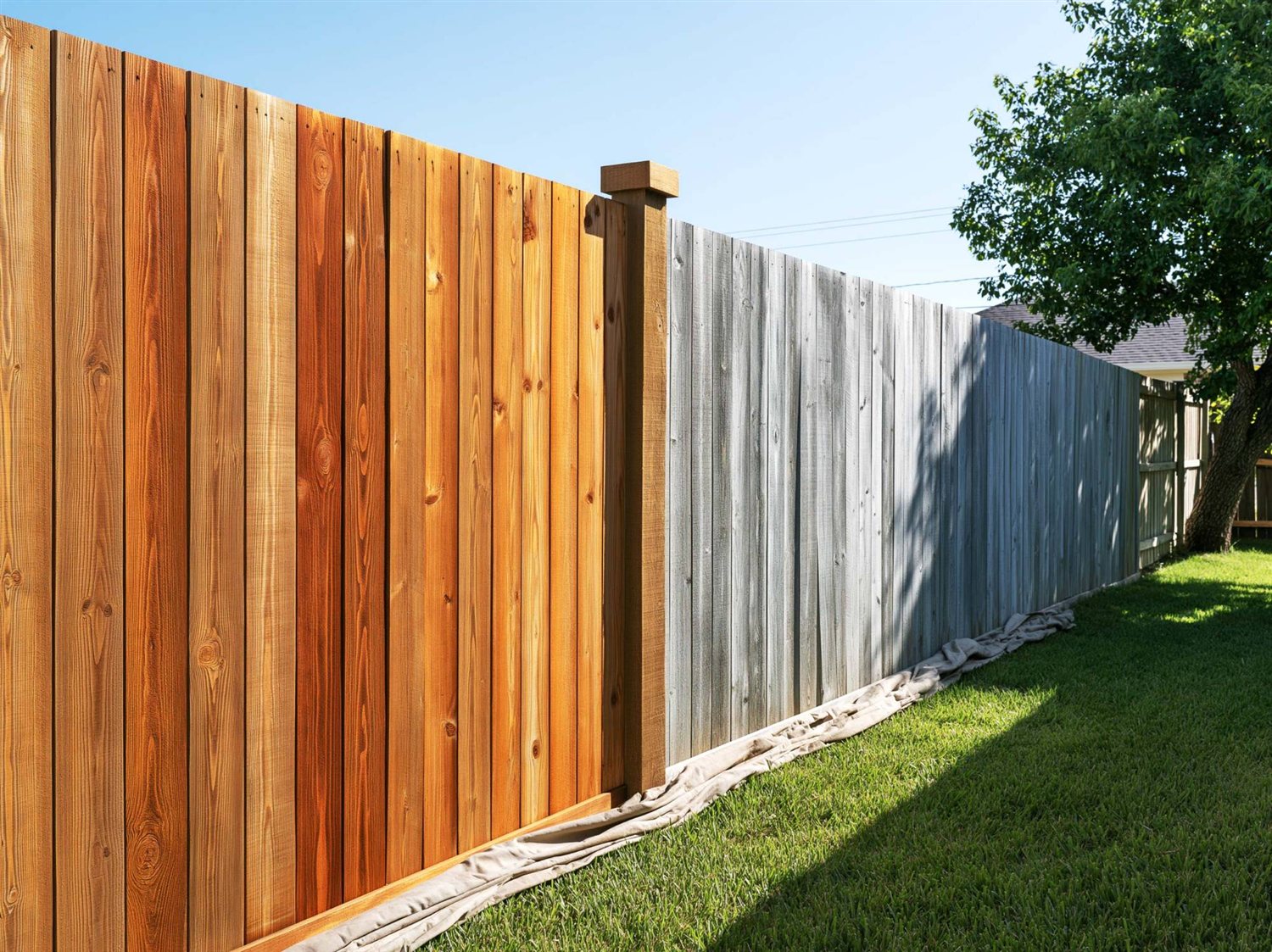
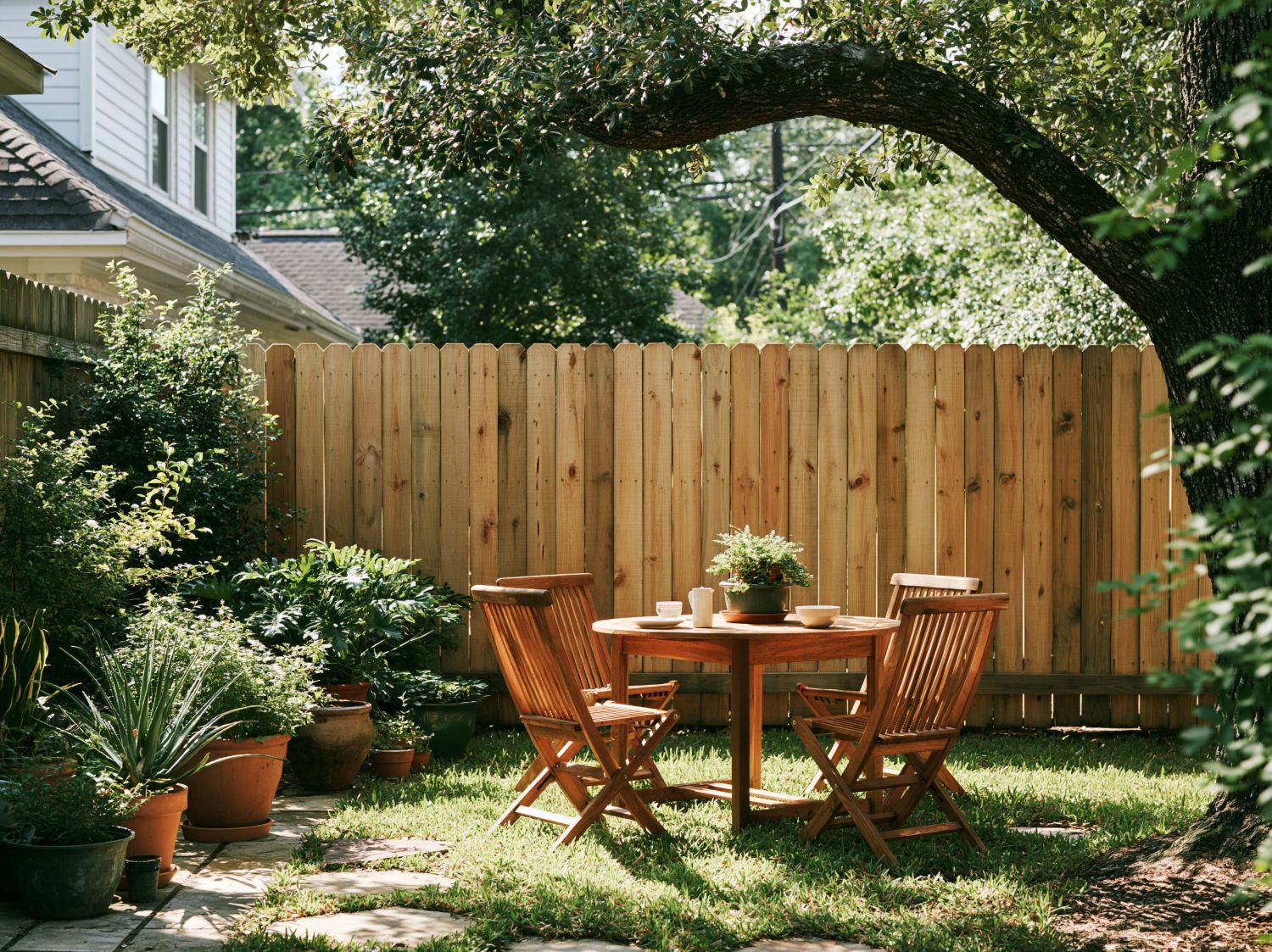
San Antonio Expert Fence handles fence staining and sealing for homes in San Antonio and the cities around it, on new fences and on ones that have already turned gray. We clean the wood, then put on a stain or sealer that brings back some color and helps protect it from sun and rain.
Semi-transparent, solid and clear finishes explained before you choose
Gray boards cleaned with care before any stain goes on
San Antonio Expert Fence starts a staining job by looking at the boards and posts, because a fence that has gone gray can be in better shape than its color suggests. If the wood is sound, cleaning it and putting on the right finish brings the color back and helps the boards hold up to the sun and the rain.
What makes staining its own job here is the weather around it. The stain maker's directions say when the wood is ready and what kind of day suits the stain, and a San Antonio summer doesn't always go along with them. We plan the work around that, so the finish has a fair chance to last.
Get Your FREE EstimateTell us what you need and we'll get back to you.
Why Your Fence Turned Gray, and Whether It's Worth Staining
Bare wood left out in the weather loses its color. The sun bleaches the surface of the boards, the weather keeps wearing at it, and the warm tan or red of new lumber slowly fades to a silvery gray. Cedar does it and pine does it, and a fence doesn't have to be old to get there.
The sun dries the boards out as well. Wood that's warmed by the sun loses moisture at the surface much faster than the air around it would suggest, and that's one reason fine cracks open along the grain. Weathering can also make boards cup a little across their width and work the nails loose over time.
Pressure-Treated Wood Grays Too
If your fence is pressure-treated pine, the treatment is there to protect the wood from rot and insects. It doesn't keep the wood from weathering, and it doesn't waterproof it. Treated boards gray and check in the sun the same way untreated ones do. A finish is what slows that down.
Is a Gray Fence Worth Staining?
If the boards and posts are still solid, yes. The gray is on the surface. Cleaning takes it off so the stain can get into the wood underneath, and there can be good-looking wood under there that only needs protecting. The government's Forest Products Laboratory, which studies how wood holds up outdoors, says properly treated wood above the ground is usually replaced because of weathering, not decay. In plain terms, slowing down the weather is a big part of keeping your fence boards.
Choosing a Finish for Your Fence
There are four kinds of finish you'll hear about for a wood fence. The real difference between them is how much of the finish goes into the wood and how much sits on top of it, and that decides both how the fence looks and what the next coat involves.
Semi-Transparent Stain
A semi-transparent stain tints the wood and lets the grain show through. The oil-based kind soaks into the wood instead of forming a film on top, so it isn't prone to cracking or peeling the way paint is. It wears away gradually, and getting the fence ready for its next coat is a lighter job, without heavy scraping or sanding. A water-based semi-transparent stain behaves more like a very thin paint and can take more preparation before it's redone. If you want color back and you like the look of wood, this is the finish we'd point you to first. Put on too heavily, it can dry into a skin on the surface that behaves like paint, which isn't what you want from a stain.
Solid Stain
A solid stain is heavily pigmented and forms a film on the wood, much the way paint does. It covers the grain and gives the fence one even color. Because it's a film, it can peel where it wears, like paint.
Clear Sealer
A clear water-repellent sealer keeps water out of the wood and changes the color very little. The boards underneath will still gray in the sun. If you like that silver look and mainly want the wood to shed rain, a clear sealer is a fair choice.
Paint
Paint covers the wood completely, but it's a film on the surface, so it can crack and peel, and peeling paint has to be scraped before the next coat.
How Long Each One Lasts
On cedar, a cedar industry group's figures for how long each finish can be expected to last put these four in this order, from the shortest-lasting to the longest:
water repellent
semi-transparent stain
solid stain
paint
The finishes that last longer are the ones that sit on top of the wood, and those are the ones that take more work when it's time to redo them.
If Your Fence Has Been Finished Before
A fence that's been painted or given a solid stain is best redone with the same type of finish, and an oil-based product shouldn't go over an old latex finish. If you're not sure what's on your fence now, we'll look at it and tell you what will go over it.
How Your Fence Gets Stained
Tell Us About Your Fence
Send the form with roughly how long the fence is and whether it's new or already gray, and we'll call you back to find a time to come out.
We Look the Fence Over
We check the boards and posts, see how weathered the wood is and what finish it has on it now, and tell you if anything needs fixing first.
Finish and Color
We go over the finish types and colors with you, and you see your pick on your own wood before the rest of the fence gets it.
A Price Per Side
You get a price for each side, so you can choose the side facing your yard, the other side, or both.
Washed, Then Dried
The fence gets cleaned, then left alone until the wood is ready to take the stain.
A Final Look
Once the stain is on, we look the whole fence over with you and touch up any spots that were missed.
Getting the Wood Ready for Stain
Stain needs clean, dry wood to get into, so a staining job starts well before the stain comes out.
Cleaning Comes First
The fence gets cleaned of dirt, any mildew, and the loose gray layer on the surface. Mildew has to be killed and removed before wood is refinished, and whatever dirt or old coating is left on the boards keeps the new finish from being absorbed. A wood cleaner or brightener does the work, followed by a rinse with clean water.
Washing Without Hurting the Wood
A pressure washer can help get a fence clean, but it's easy to damage the surface of the wood with one if you're not careful, and stain makers say so themselves. So we wash with care and with the wood in mind, rather than blasting the boards.
Letting It Dry
Once the fence is clean, it has to dry out before any stain goes on. Stain makers give different drying times, and the weather changes them, so we go by the wood rather than the calendar.
A New Fence
New lumber, and pressure-treated pine in particular, can hold a lot of moisture when it goes up, and stain makers don't agree on how long to wait before finishing it. Some treated lumber is dried again after treatment and can be finished sooner. A common test is a simple one: sprinkle a few drops of water on the boards. If the wood takes them in, it's ready for stain. If they sit on the surface, it needs more time. We check your boards that way and let you know when they're ready.
Fence Staining Prices in San Antonio
These are typical costs at Texas prices for staining a wood fence, priced by the linear foot of fence, along with washing it first.
Item
Typical price
Unit
Staining, one side, 6–8 ft fence
$3.25–$7.25
per linear foot
Staining, both sides
$4.25–$19
per linear foot
Washing the fence before staining
$120–$230
per fence
The one-side row is for a fence 6 to 8 feet tall. The both-sides row doesn't name a height. Any boards or posts that need fixing before the stain goes on are priced once we've seen them. Try the cost calculator.
What Comes With Your Fence Staining
Plants and Siding Covered
Before any washing or staining, we cover your plants, the siding and anything else close to the fence, so the stain stays on the fence.
One Even Coat
The stain goes on evenly, from the top of each board to the bottom, at the amount the wood will take.
Cut Ends Sealed
With a solid stain or paint, the cut ends of the boards and the tops of the posts get sealed too. The Forest Products Laboratory calls sealing that exposed end grain extremely important when a fence gets a film finish.
When to Stain, and How Often
There's no single best month to stain a fence in San Antonio. What matters more is the weather on the day and the time of day the stain goes on.
Shade and the Time of Day
Several stain makers give a temperature range for putting stain on, and some suggest working when the fence is in the shade, because stain that dries in direct sun can leave lap marks where one stretch overlaps the next. On a summer afternoon here, the temperature can climb past the top of those ranges: on August 27, 2023, the airport reached 100 degrees for the 60th time that year, the most in any year on record. So in the summer, we plan the staining for the morning or for whichever side is in shade, and not right after a rain.
How Often a Fence Needs Another Coat
Stain makers don't give one answer for how often a fence needs restaining, and your own fence will set its own pace, depending on the finish, the wood and how much sun it gets. One sign is color: when the wood starts to lose its color, it's time to think about a fresh coat. The other is a splash of water. If the water sinks in and darkens the wood, the finish has worn and the fence is ready for another coat. If it beads up, the last coat is probably still keeping water out, and there may be no hurry.
Fence Staining in San Antonio: Frequently Asked Questions
How much does it cost to stain a fence in San Antonio?
Fence staining is priced here by the linear foot, so the length of your fence is the first thing that sets the price. After that, it comes down to whether you want one side done or both, how tall the fence is, and whether it needs washing before the stain goes on. Once we've seen your fence, you'll have a price for the side or sides you'd like done.
Do I have to stain both sides of my fence?
No. You can stain just the side that faces your yard, and that's a natural place to start. The other side of a shared fence is the one your neighbor looks at, so it's worth a word with them before anything goes on it, and some neighbors are glad to have their side done at the same time. If you'd like both sides done, it's simpler to plan it that way from the start than to bring everything back out for the second side later.
Can I see the color before you stain the whole fence?
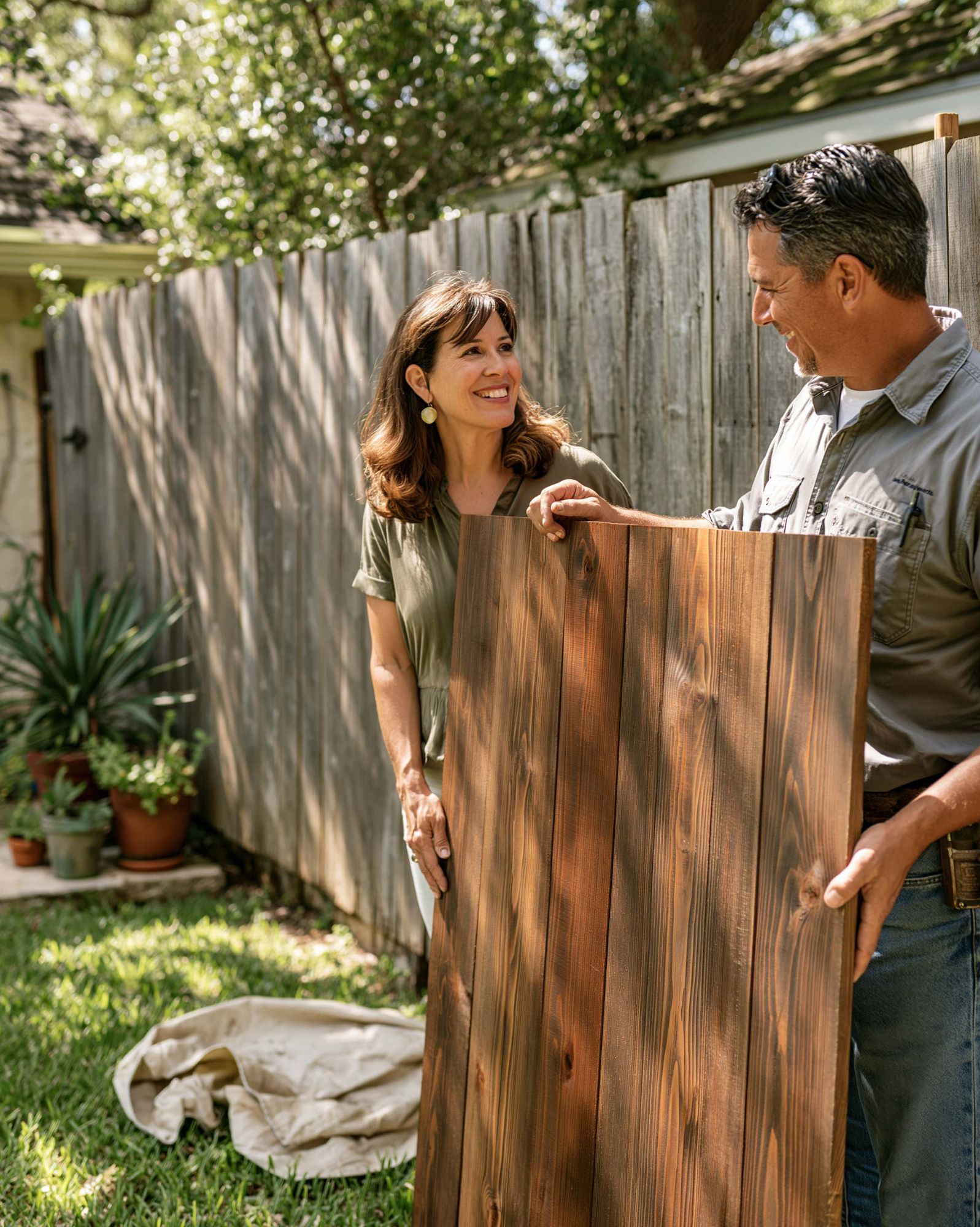
Yes, and it's worth doing. The same stain can look different on cedar than on pine, and different again on boards that have weathered, so a color that looked right on a chart can come out lighter or darker on your fence. We put your pick on a board of your own fence first, so you can see it in your yard and in your light. If you'd like it to go with the trim on the house, that's the best way to check.
Do I need a permit to stain my fence?
Painting is on the City of San Antonio's list of work that doesn't need a building permit; the list doesn't mention staining or fences. If your home is in one of the city's historic districts, exterior changes and repairs need a Certificate of Appropriateness through the city's Office of Historic Preservation, including work in side and rear yards. Homes in a conservation district or a corridor district can have restrictions on design and materials as well. We'll check whether your street falls under any of those before you settle on a color.
Can my HOA tell me what color to stain my fence?
It can. Texas law lets an HOA set rules for the fences in its neighborhood, and color can be one of them. If yours has an approved list of colors or finishes, we'll work from it. If the board wants to see the color before the fence is stained, you can show them the one you tried on your own boards.
Will staining fix a fence that's leaning or has soft boards?
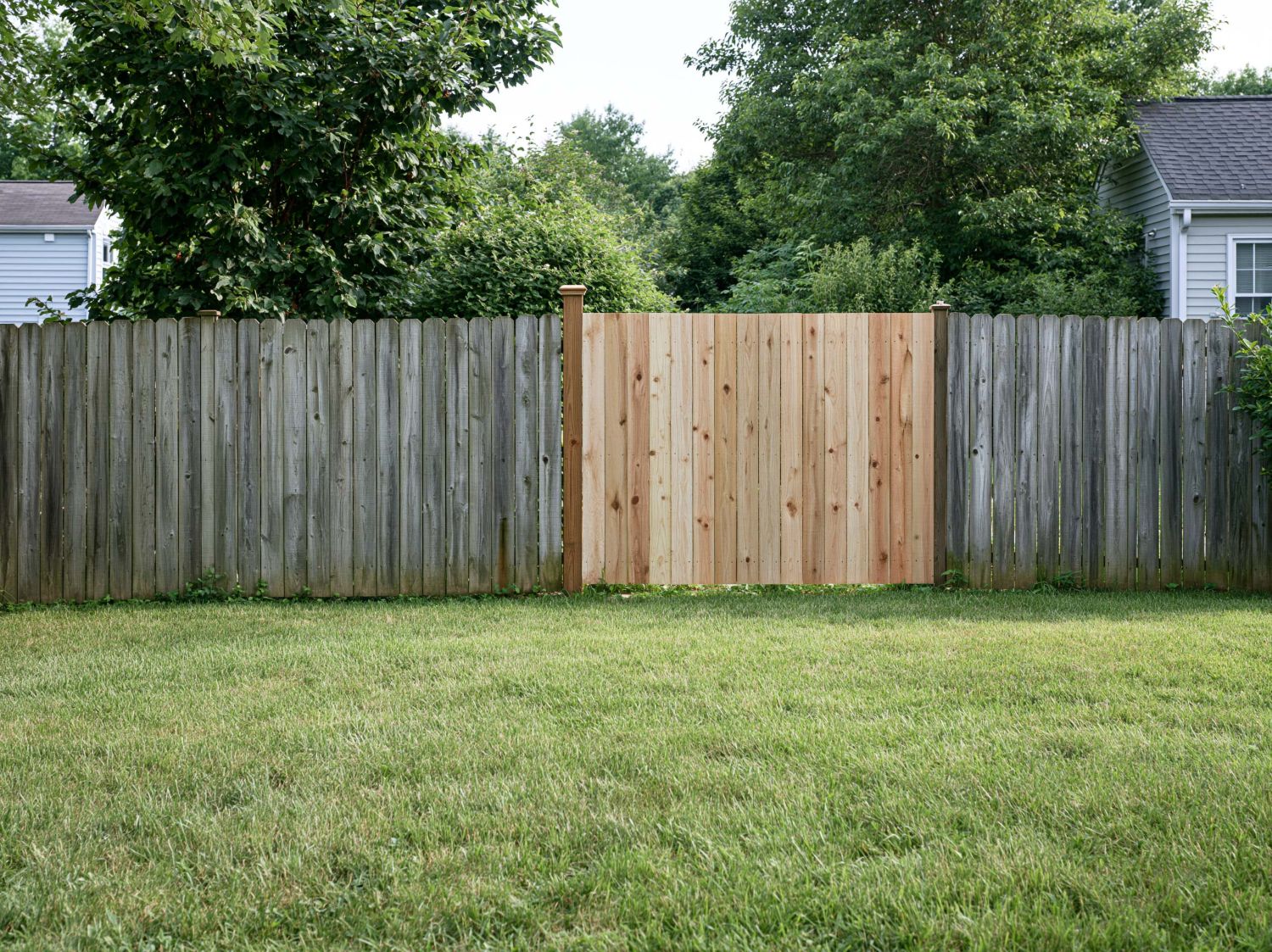
No. Stain helps sound wood hold up longer, but it won't straighten a leaning post or firm up a board that's gone soft. If we find either one, we'll point it out, along with any loose boards or popped nails, and those are worth fixing before staining, so the new boards get the same coat as the rest. A few bad boards don't mean the whole fence is done for. The sound ones can still be cleaned and stained.
We take fence staining jobs in San Antonio and in the nearby cities below. Those cities write their own rules, and they don't always match San Antonio's, so if your home is in one of them, we go by that city's rules instead.
One side or both, new boards or gray ones, tell us what you've got and roughly how far the fence runs. We'll set up a time to look at it with you and talk through the finish.
San Antonio Expert Fence is a fence company in San Antonio, Texas, for homes, businesses and HOAs. We repair fences and build new ones, and every job starts with a free visit and a written price.
Each city around San Antonio writes its own fence rules, and we plan every fence to the ones where your home is.