Fences Near Alamo Heights' Heritage Trees
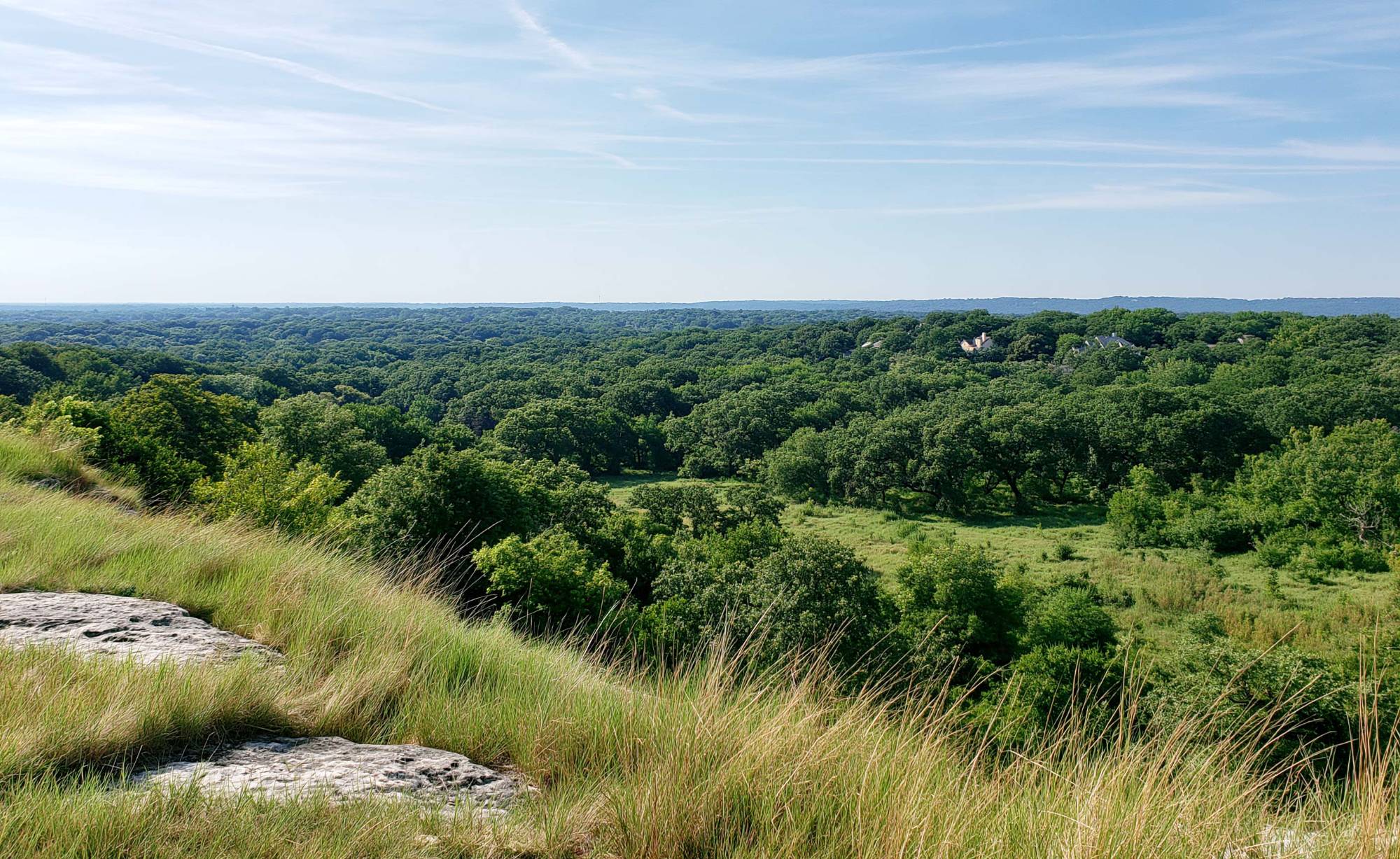
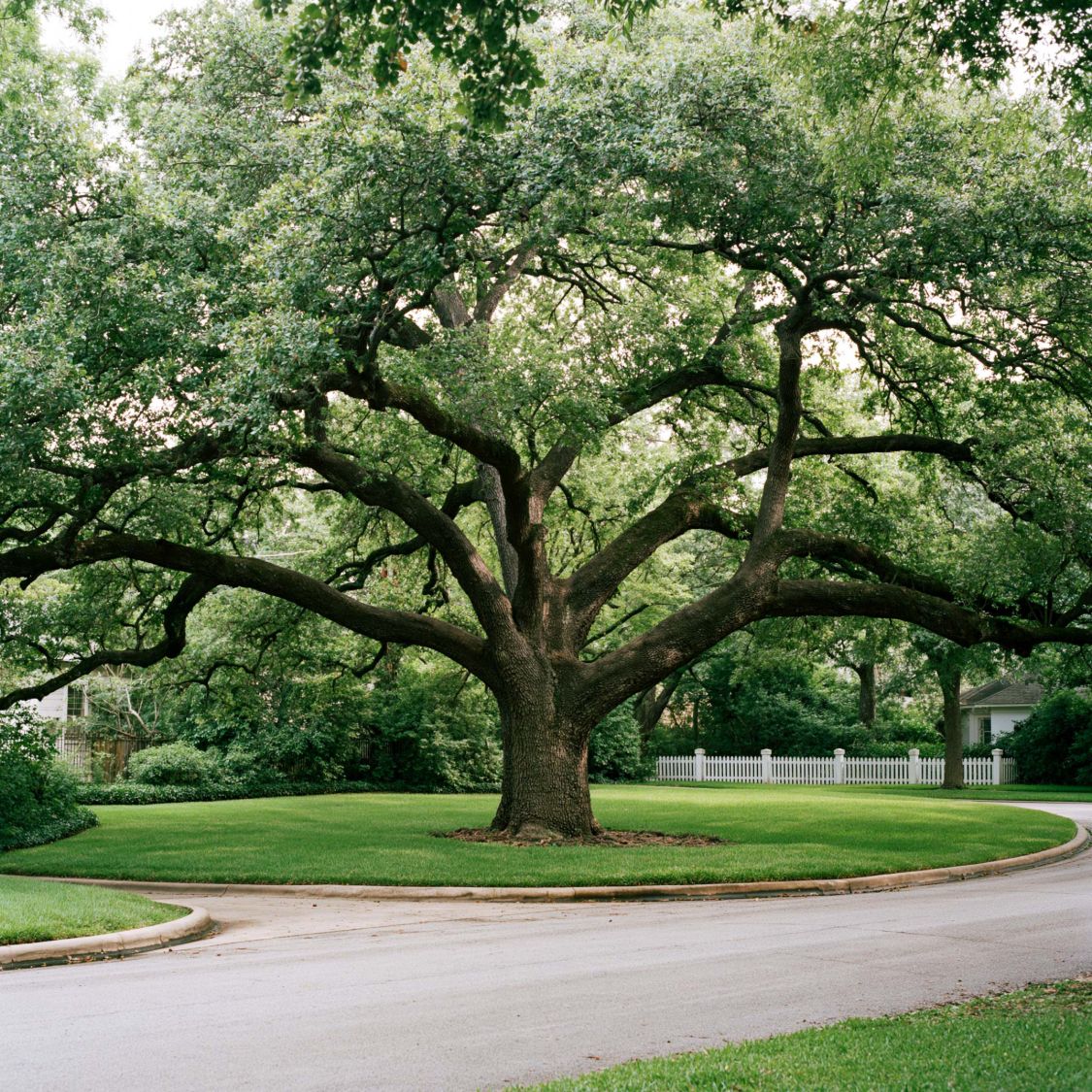
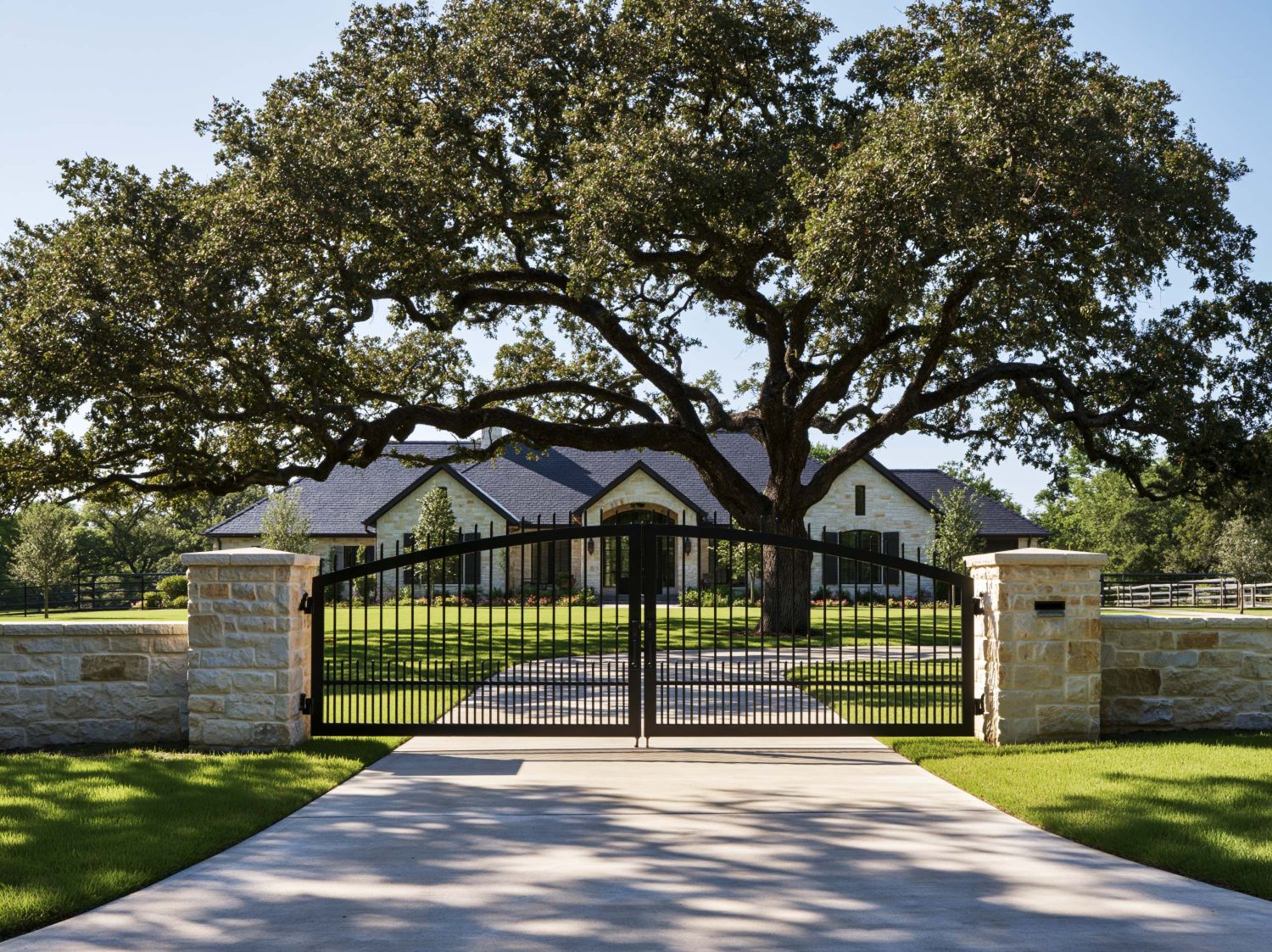
When the Chamberlain Investment Company of Denver laid out Alamo Heights in the 1890s, its plan ran the streets along the lay of the land and kept the centuries-old trees, even where they stood in the middle of a street. Today the city protects its heritage trees by code, and that protection reaches the ground around their roots. If there's a big old tree near where you'd like a fence, the tree comes into the plan early.
What the Code Says About Digging Near One
Alamo Heights' code says no more than 30 percent of a heritage tree's critical root zone can be trenched, excavated, damaged or removed, and none of that can come within 3 feet of the trunk. A fence goes in by setting posts, and setting posts means digging, so when a fence line runs near one of these trees, we plan where the posts go with that limit in mind. Whether your tree counts as a heritage tree is one of the first things we find out.
The Tree Goes on the Site Plan
When trenching or excavation will affect a heritage tree's critical root zone, the city's permit checklist asks for that root zone to be shown on the site plan. So the tree is on paper right beside the fence, and you'll see how the two sit together before the application goes in.
An Old Oak Close to the Line
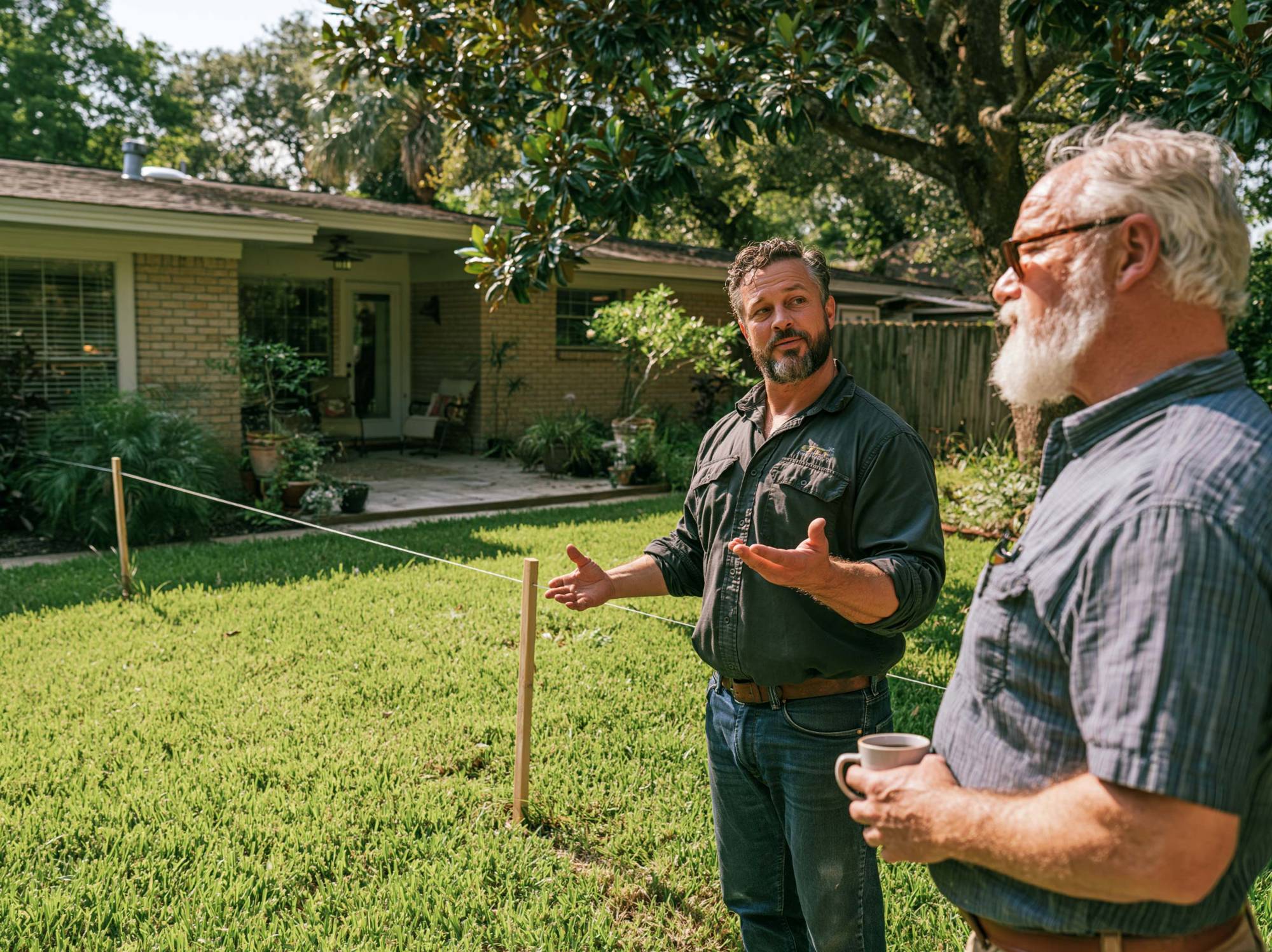
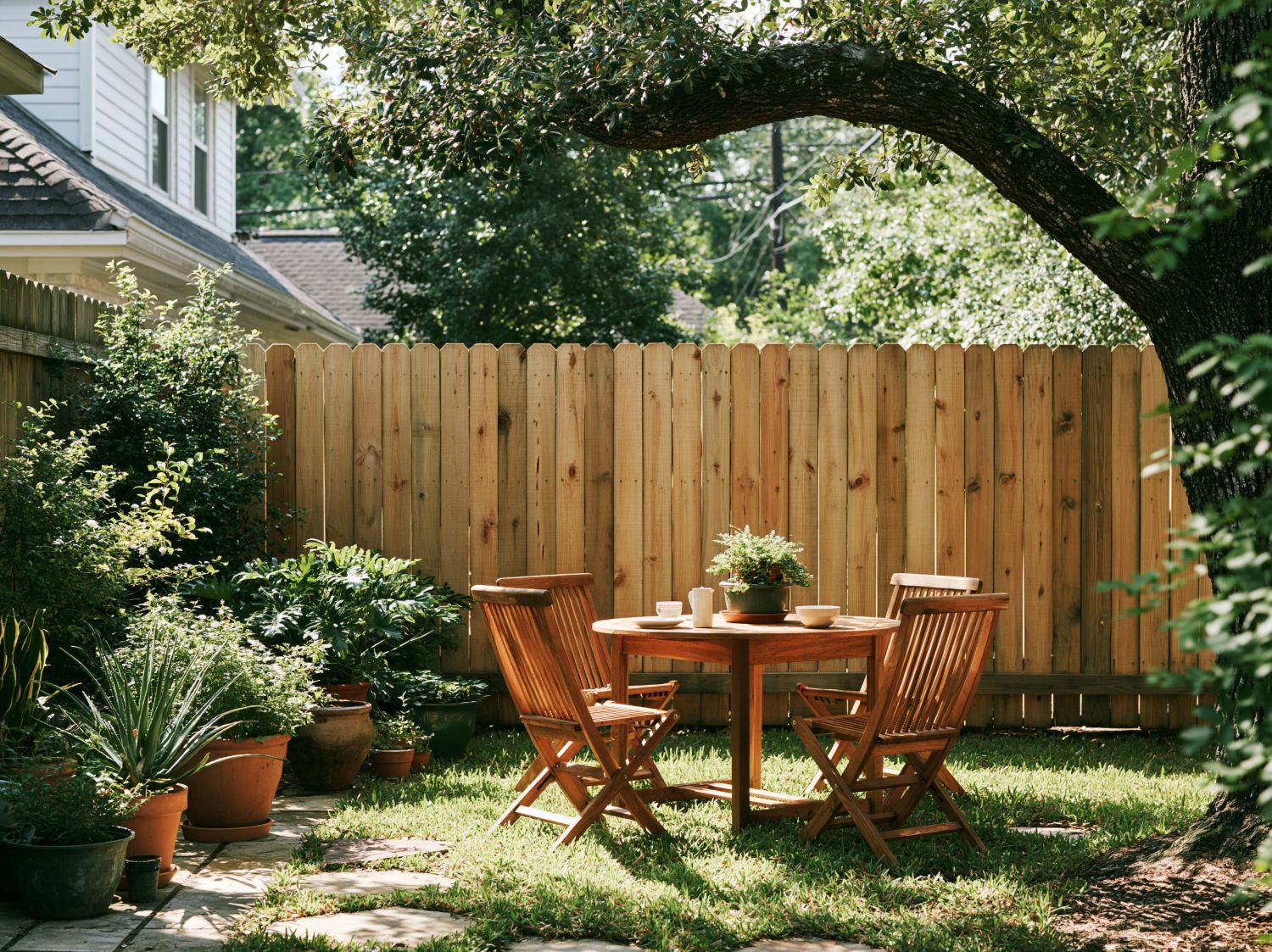
If an old oak stands a few feet from where your back fence would run, the line can bend away from the trunk, or be set a little farther into your yard, so the posts land farther from the tree. We'll go over the choices with you at the tree and show you where the posts would go before anything is dug.