San Antonio Expert Fence handles commercial fencing for businesses, apartment communities and HOAs across San Antonio and the cities around it, from a security fence around an equipment yard to the fence around a community pool.
Commercial permit plans and site plan prepared for you
Fire lane gates planned for the Fire Marshal's review
Apartment and HOA pool fences built to Texas pool law
Why a Commercial Fence Is Its Own Job in San Antonio
San Antonio Expert Fence plans commercial work around the city's rules, because on a business, apartment or HOA property the City of San Antonio handles a fence differently than it does at a house. A fence at a shop, an office, an apartment complex or a community amenity center goes through the city's commercial permit, with plans the city reviews before anything is built. A gate across a fire lane needs the Fire Marshal's approval. And a pool at an apartment complex, a condominium or an HOA falls under a Texas law with its own rules for the fence and the gate latch.
Very little of that has to land on your desk. We work out which rules apply to your property, put the plans and paperwork together, and build the fence to match. What's left for you are the decisions that belong to the owner or the board: how secure the property needs to be, how the fence should look from the street, where people and vehicles come and go, and what the budget allows.
If you manage the property for an owner, or you're bringing a fence to an HOA board, we can go over the site with whoever needs to see it and give you a price you can take back to them.
Get Your FREE EstimateTell us what you need and we'll get back to you.
The Kinds of Commercial Fencing We Take On
Commercial fencing covers a lot of different properties, and the right fence depends on what it's protecting and who needs to get through it. These are the four kinds of work we take on:
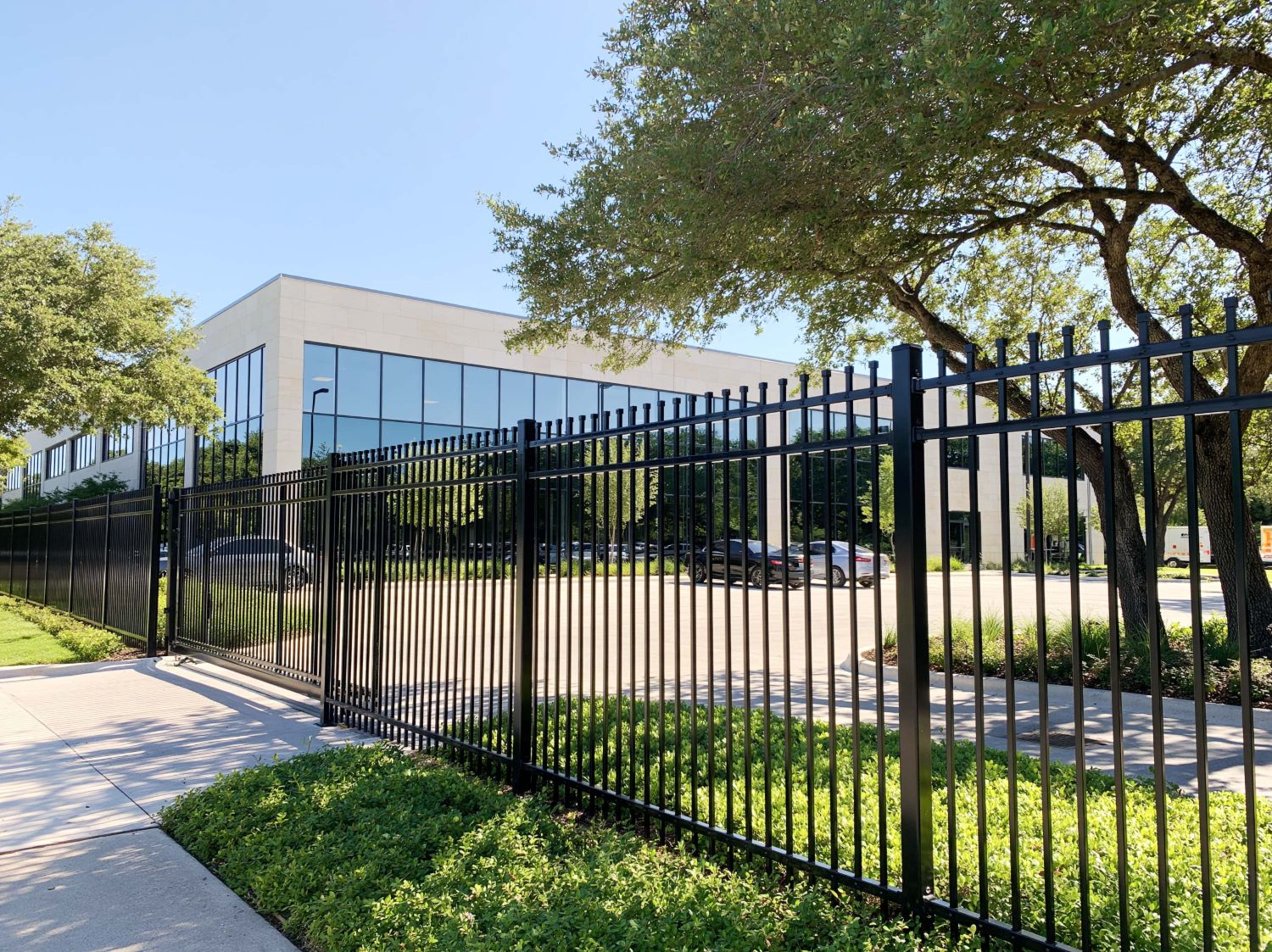
Business security fencing. Chain link, steel, wrought iron or aluminum around shops, offices, warehouses, equipment yards and parking lots, with gates where trucks, staff and customers come and go.
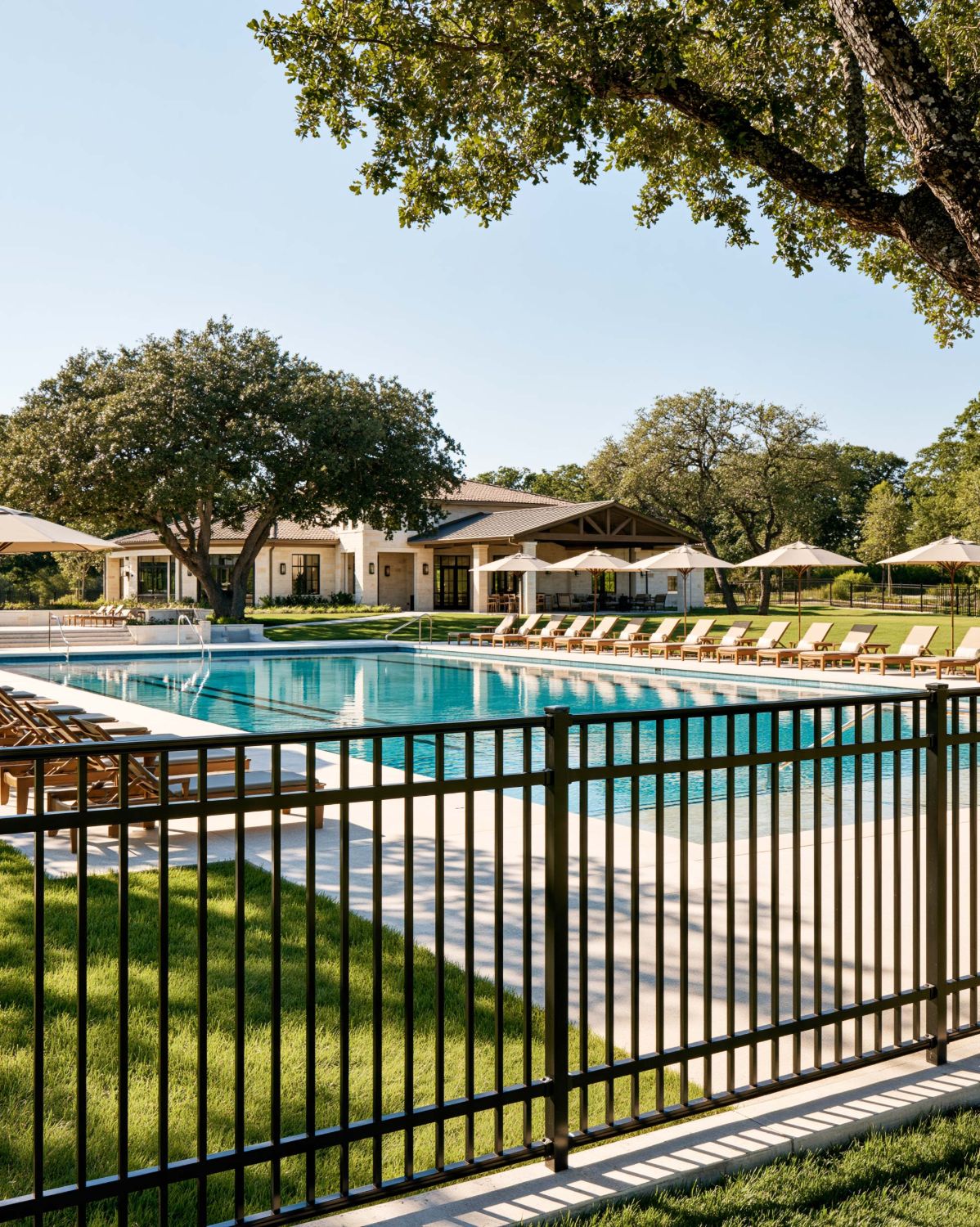
HOA and community fencing. Perimeter fences along the edge of a subdivision, fences around parks and amenity centers, and the fence around a shared neighborhood pool.
Apartments and multifamily. Perimeter fences around the property, the fence around the pool, and the gates residents and visitors use to get in.
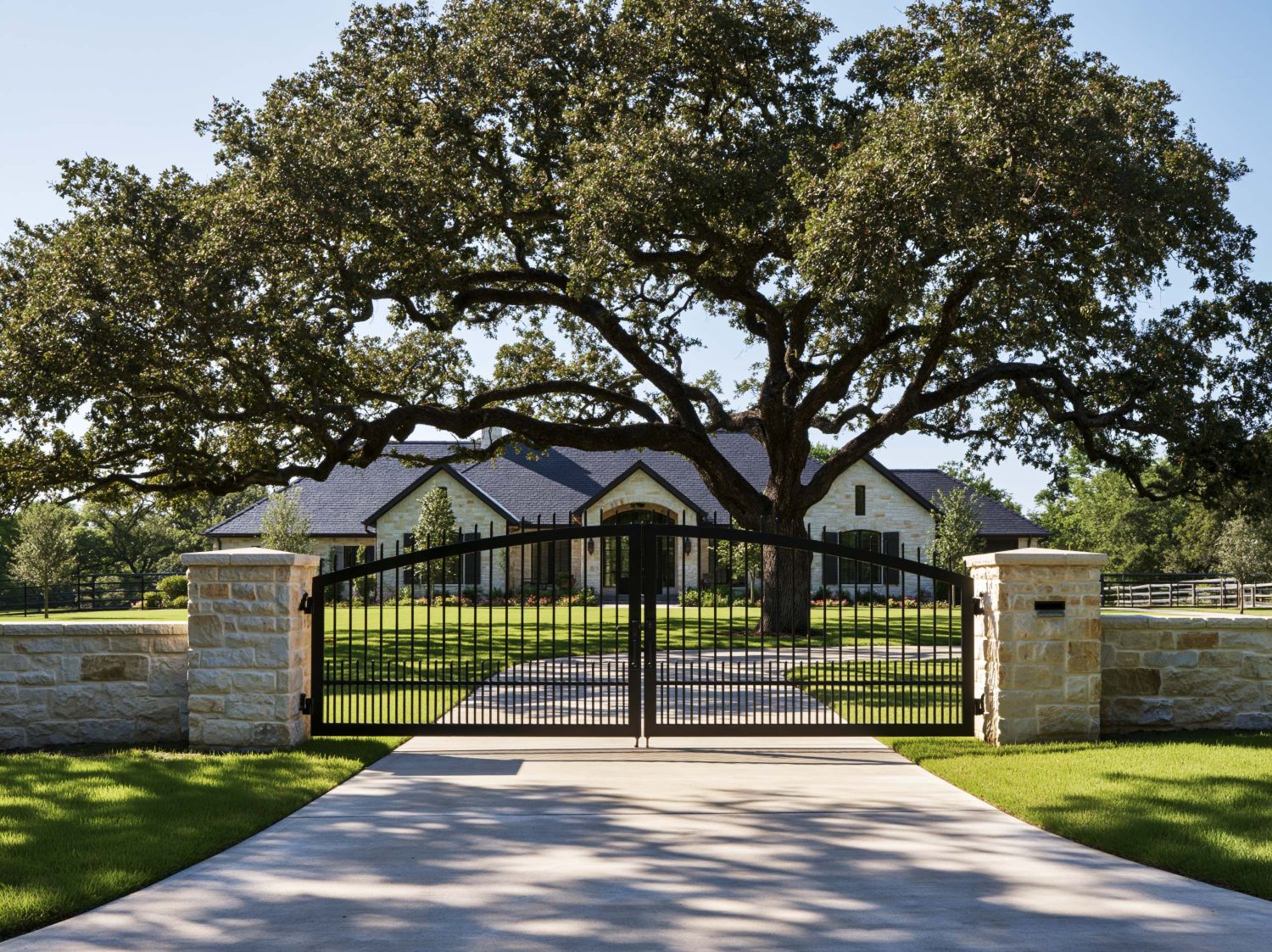
Gated entries. Manual and powered gates at driveways and entrances, including gates that cross a fire lane.
Choosing a Material for a Business or Community Fence
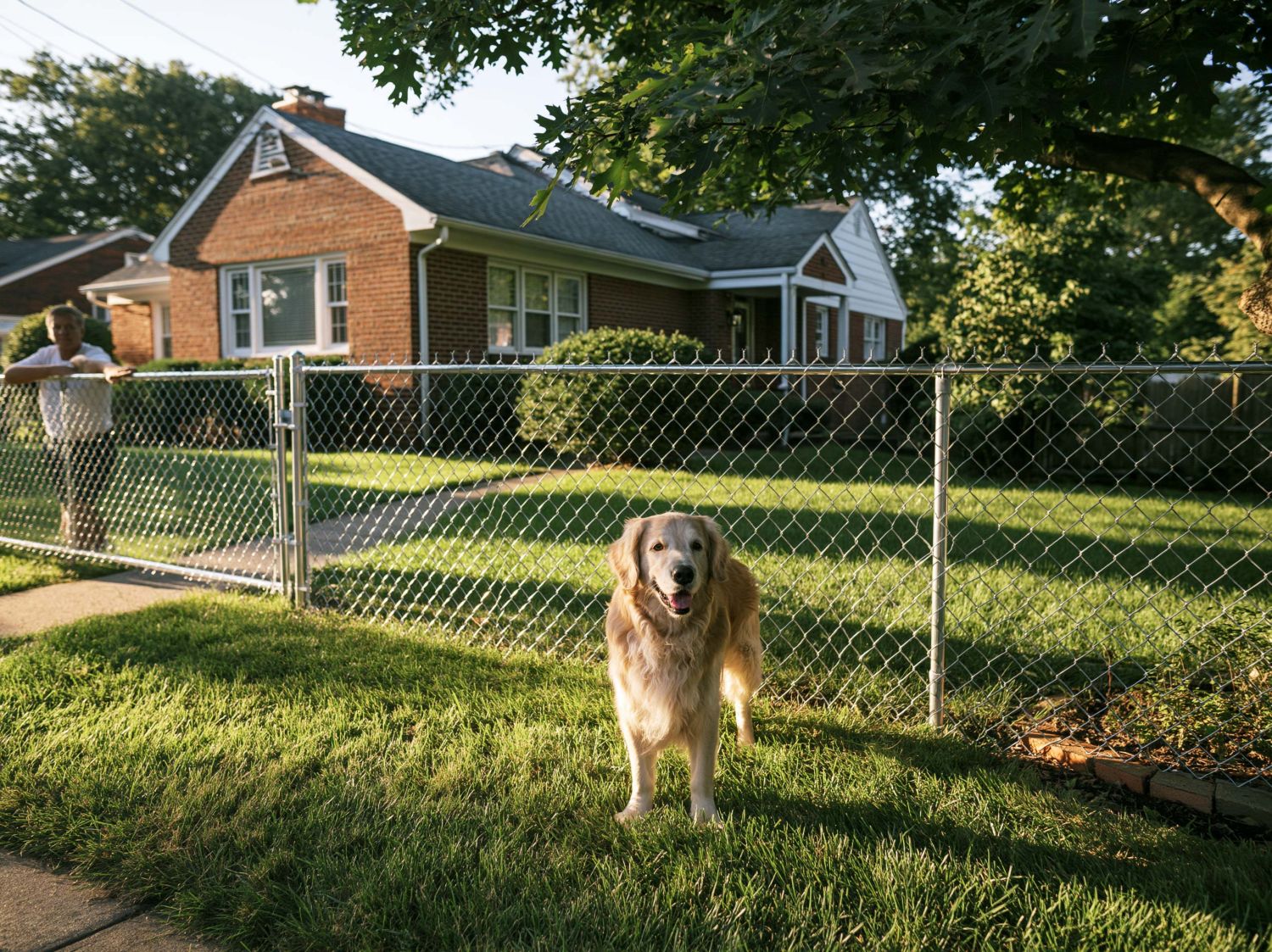
Chain link is the practical choice for an equipment yard, a lot behind a building or a long property line, where you want security and a clear view through the fence and the look matters less. It comes in taller heights, and an 8-foot fence is common around yards and industrial property where the city allows it.
At the front of a property, an apartment entrance or a community pool, the fence becomes part of how the place looks to customers, residents and anybody driving by. That's where steel, wrought iron and aluminum usually make more sense. Steel and wrought iron are heavy and strong, and aluminum doesn't rust, which makes it a common choice around pools.
Getting a Commercial Fence Permitted in San Antonio
Once a fence goes on a lot that holds something other than a house, a duplex or a triplex, the City of San Antonio treats it as a commercial fence. It goes through the city's Commercial Project Application, either as its own permit or alongside a larger construction project on the same property, and the city's staff review the plans before the permit is issued. We put the submission together, and this is what it covers:
Building plans with the fence and footing details. The plans show what the fence is made of, how tall it stands and how the posts are set in the ground.
A site plan. It shows the buildings already on the property, any easements and where the gates go. We draw it from our measurements of the site.
A tree affidavit, every time. The city asks for one with every commercial fence application, whether or not there are trees anywhere near the fence.
Trees on a Commercial Lot
On a property that isn't residential, the trees are protected during fence work. A tree can't be removed or damaged, and the ground around its roots can't be disturbed, without a separate permit and approval. So we lay out the fence line and the post holes around any trees on the property from the start.
Fences Over 8 Feet
A fence taller than 8 feet needs a Texas-licensed engineer to certify that its foundation and support structure are designed for wind loads under the building code. When your fence needs that height and the city allows it, the engineer's certification becomes part of the plans.
Historic Districts and Overlay Districts
If the property sits in a historic district, a corridor overlay or a neighborhood conservation district, the fence has to be cleared with that district's rules before the commercial permit goes ahead. We find out which applies to your address before we design the fence.
After the Fence Is Built
The city doesn't send an inspector out to look at the fence itself, but its Code Enforcement Division can cite a fence that wasn't built to the city's requirements. We build yours to the plans the city reviewed, on or inside the property line.
Height, Screening and Barbed Wire on a Commercial Fence
Three things usually shape a commercial fence more than anything else on the permit: how tall it can be, whether it has to block the view of the houses next door, and what can go along the top of it.
Height Limits by Type of Property
The city sets the height of a commercial fence by what the property is used for:
Shops, offices and apartment complexes. In the front yard, 3 feet for a solid fence or 5 feet for an open one, like chain link or wrought iron. Along the sides and back, 6 feet.
Industrial property. Up to 8 feet in the front, along the sides and across the back.
Parking lots and vacant lots. In front, 3 feet solid or 6 feet open. Along the sides and back, 6 feet.
Churches, schools, government sites and public parks. Up to 8 feet.
A few cases go higher. A security fence for a public or institutional use can reach 8 feet, and a fence that sits entirely inside the property, behind the building setbacks and attached to the building, can go up to the building's own height when it's there for security or as part of how the business uses the space. One of the city's own examples is the outdoor garden area at a home improvement store.
A Solid Fence Next to Houses
If your business or apartment complex borders an existing single-family home, the city's development code usually requires a solid screening fence along that shared boundary, one you can't see through. When a fence that meets the rule already stands on the house's side, all the neighboring owners can sign an agreement to keep it instead. We'll look at what's on that line and tell you which way your property goes.
Barbed Wire and Razor Wire
San Antonio's code doesn't allow barbed wire or razor wire on a fence, with an allowance for barbed wire at government facilities. A private business that wants barbed wire has to ask the city for an exception, and the request has to explain why the property can't meet the code. Cost isn't accepted as a reason. If your property needs it, we prepare that request with the reasons that apply to your site, and the city makes the decision.
How a Commercial Fence Job Comes Together
Tell Us About the Property
Send the form with a few details about the property and the fence or gate you need. We'll call you back and set up a visit to the site.
We Look Over the Site
We measure the fence line and note the drives, gates, fire lanes, trees, any pool, and any houses that share a boundary with the property.
A Price for the Owner or the Board
You get a price for the fence, the gates and any removal, and nothing starts until the owner or the board approves it.
Plans and Permit Submitted
We put together everything the commercial permit asks for and send it in with the application. Any Fire Marshal or exception request is prepared and sent in separately.
Posts, Fence and Gates Go In
Once the permit is issued, the posts go in first, then the fence and the gates.
A Final Look at the Gates
We open and close every gate, make sure each one latches, and go over the finished fence with you or your board.
Entry Gates and Fire Lane Gates
A gate at a business or community entrance usually has more rules attached to it than any other part of a commercial fence, and they decide where the gate sits and how it opens. We plan the entrance around them before the first post goes in.
Where an Entry Gate Can Sit
A gate across a commercial driveway generally has to sit back at least 20 feet from the curb of a two-lane road and 40 feet from a four-lane road, measured to the card reader if there is one. That leaves room for cars to wait and turn around without stacking up into the street, and a busy, faster road can call for more than 40 feet. The city's traffic reviewers check the gate's position, and the sight lines at corners and at alley and street intersections, before the commercial fence permit is issued.
Gates Across a Fire Lane
When a security gate crosses a fire lane, the San Antonio Fire Department's rules come into it:
Fire Marshal approval for the gate before it goes in.
A fire department key switch, lock or box so firefighters can open it. The city's fence bulletin calls for a Knox box or Knox padlock, and a Knox box has its own permit and inspection through the fire department.
A gate one person can open by hand, and on a powered gate, either backup power or a clearly marked manual release for when the power is out.
At least 20 feet wide where a single gate spans the lane.
A swing toward the building, in the direction the fire truck is traveling, or a gate that slides open sideways.
On a powered gate, a listed operator and gate, meaning the operator meets UL 325 and the gate is built to ASTM F2200.
A fence or gate also can't close off a fire lane without the Fire Marshal's written permission. We design the gate to these requirements and prepare the details the Fire Marshal's review asks for.
Powered Gates and the Electrical Permit
A gate run by an electric operator or other electrical controls, or one with lighting, needs its own electrical permit, with inspections, and that permit is pulled by a licensed electrical contractor.
Pool Fences at Apartments, Condos and HOA Amenity Centers
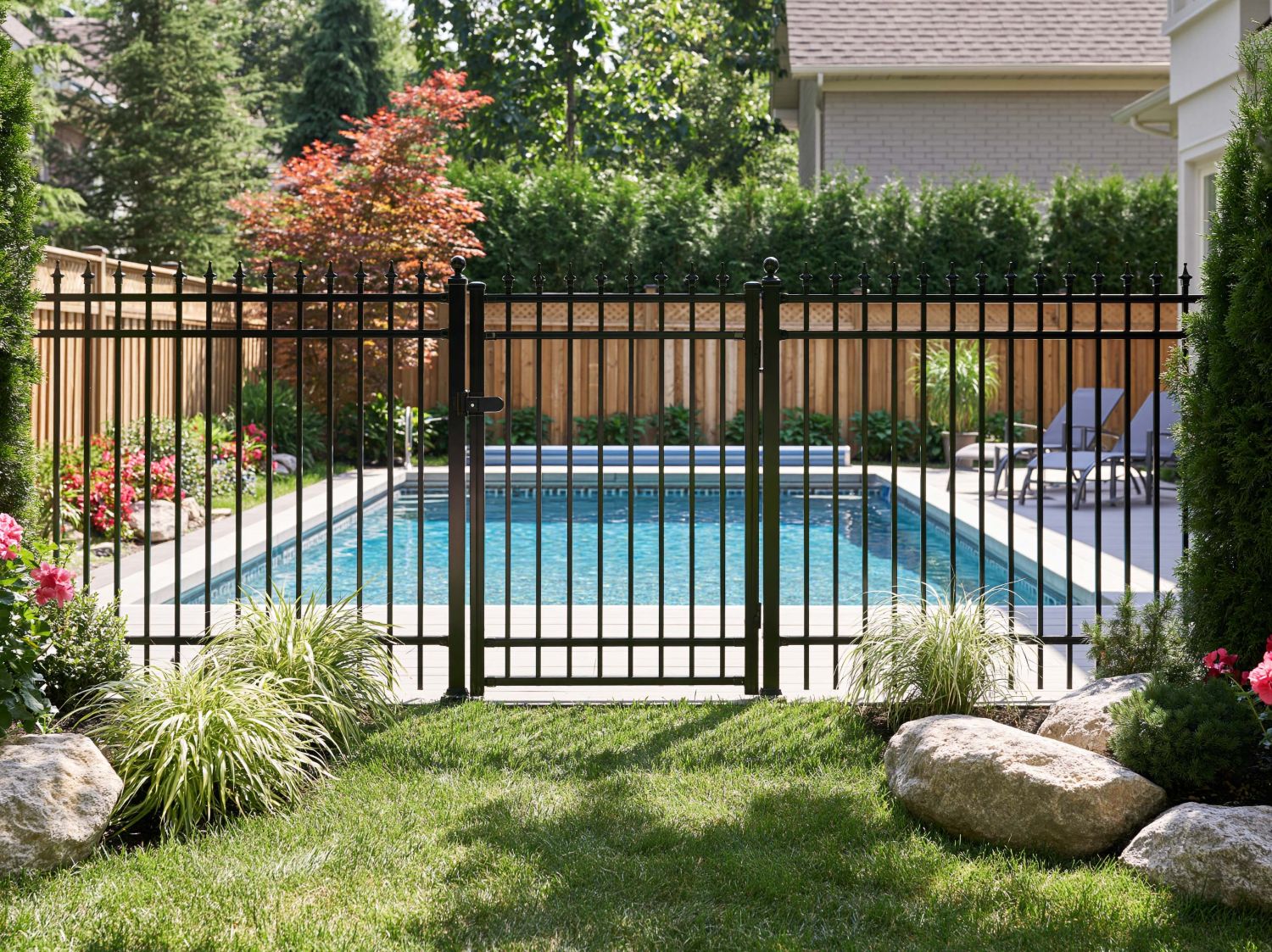
A pool at an apartment complex, a condominium or an HOA amenity center isn't fenced to the same rules as a pool in somebody's back yard. Texas Health and Safety Code Chapter 757 covers the pool at a rental complex with two or more units under the same ownership and management, condominiums included, and a pool that a property owners association owns, controls or maintains. A hot tub or spa more than 18 inches deep counts as a pool too.
What the Pool Fence Needs
At least 48 inches tall all the way around the pool yard.
No gap at the bottom that a 4-inch ball could pass under, and openings in the fence kept within the law's limits.
No chain link on a new pool enclosure.
No diagonal pieces lower than 49 inches off the ground, and nothing permanent placed near the fence that would help someone climb over.
What the Gate Needs
The gate has to close and latch by itself, lock, and open outward, away from the pool. The latch generally goes at least 60 inches off the ground. It can sit as low as 42 inches when the gate can't be opened from either side without a key, a card or a combination, which can be a good fit if your residents already carry a key card for the rest of the property.
Replacing an Older Pool Fence
If your community's pool still has an older chain link fence around it, we'll plan the replacement in aluminum, steel or wrought iron, with a gate and latch built to these rules, and go over the layout with you or your board before anything is priced.
Typical Fence and Gate Prices by Material
Commercial and HOA jobs are priced at the visit, because the length of the fence, the gates, the permit work and any fire lane or pool requirements all shape the number. These typical Texas installed prices by material give you a place to start, and the material and the length of the fence line usually have the most to do with where your price lands.
Item
Typical price
Unit
Chain link fence, 6 ft
$15–$25
per linear foot installed
Chain link fence, 8 ft
$16–$26
per linear foot installed
Wrought iron fence
$21–$39
per linear foot installed
Steel fence
$15–$58
per linear foot installed
Aluminum fence
$19–$53
per linear foot installed
Electric driveway gate
$2,400–$4,900
each, installed
Chain link rolling gate, 20 x 8 ft
$1,200–$4,300
each, installed, without an opener
An entry gate system with a card reader or a fire department key switch is priced once we've seen the entrance, since the setback from the road, the Fire Marshal's approval and the electrical work all shape it. Try the cost calculator.
Commercial Fencing in San Antonio: Frequently Asked Questions
How much does a commercial fence cost in San Antonio?
It's priced by the foot, with each gate added on, and the material usually makes the biggest difference. At typical Texas installed prices, 500 feet of 6-foot chain link comes to about $7,500 to $12,500 before gates. Entry gates with access control, fire lane gates and HOA work are priced once we've seen the site.
Do we need a permit for a fence at our business or apartment complex?
Yes. Every new fence in the City of San Antonio needs a permit, and once the lot holds anything other than a house, a duplex or a triplex, the fence takes the commercial route, with plans the city reviews before it lets construction start. You don't have to assemble any of that yourself. We prepare the whole submission, send it in, and start building only after the permit comes through.
Does the Texas HOA fence law apply to our community's own fences?
Not directly. The section of the Texas Property Code people usually mean is about the fences homeowners put up on their own lots, and what an association can and can't restrict there. The association's own perimeter and amenity fences go by the city's permit, the association's own documents and, around a pool, Chapter 757. The city's rules apply either way, and the city doesn't enforce an HOA's covenants. We build to the city's rules and to your board's standards, and we can put together drawings and a materials list for the board's review.
Commercial Fencing Across San Antonio and Nearby Cities
We take commercial, apartment and HOA fence jobs across San Antonio and in the nearby cities below. When your property is in one of those cities, the fence is built to that city's own rules.
San Antonio Expert Fence is a fence company in San Antonio, Texas, for homes, businesses and HOAs. We repair fences and build new ones, and every job starts with a free visit and a written price.
Each city around San Antonio writes its own fence rules, and we plan every fence to the ones where your home is.